Home > Study Material
Welcome to Daily News Analysis, your singular resource for UPSC CSE/PCS current affairs. Grasp the importance of staying updated for your UPSC/PCS journey.
Daily News Analysis presents essential news from top sources like The Hindu, Indian Express, Business Standard, and PIB, curated in line with the UPSC/PCS syllabus. Our expansive coverage includes Politics, Economics, Science & Technology, Environment, International Relations, and Governance.
Promptness and ease. We provide the day's news by 12:30 PM, serving as a consolidated, updated information hub. With Daily News Analysis, you lead the pack, equipped with trustworthy current affairs content.
Our platform's user-friendly design integrates your daily current affairs preparation into your study regime seamlessly. Explore an array of content - articles, summaries, infographics - to bolster your understanding of worldwide events.
Empower yourself with knowledge and self-assurance, and acquire a competitive advantage with Daily News Analysis. Embark on your journey towards UPSC/PCS triumph today. Remain informed, remain ahead, every single day with Daily News Analysis! Particularly beneficial for UPSC Mains, Daily News Analysis provides detailed analysis of news along with facts, catering to the broader UPSC and PCS examinations.
Daily News Analysis for UPSC | Current Affairs for UPSC Preparation | Dhyeya IAS / 19 Sep 2026
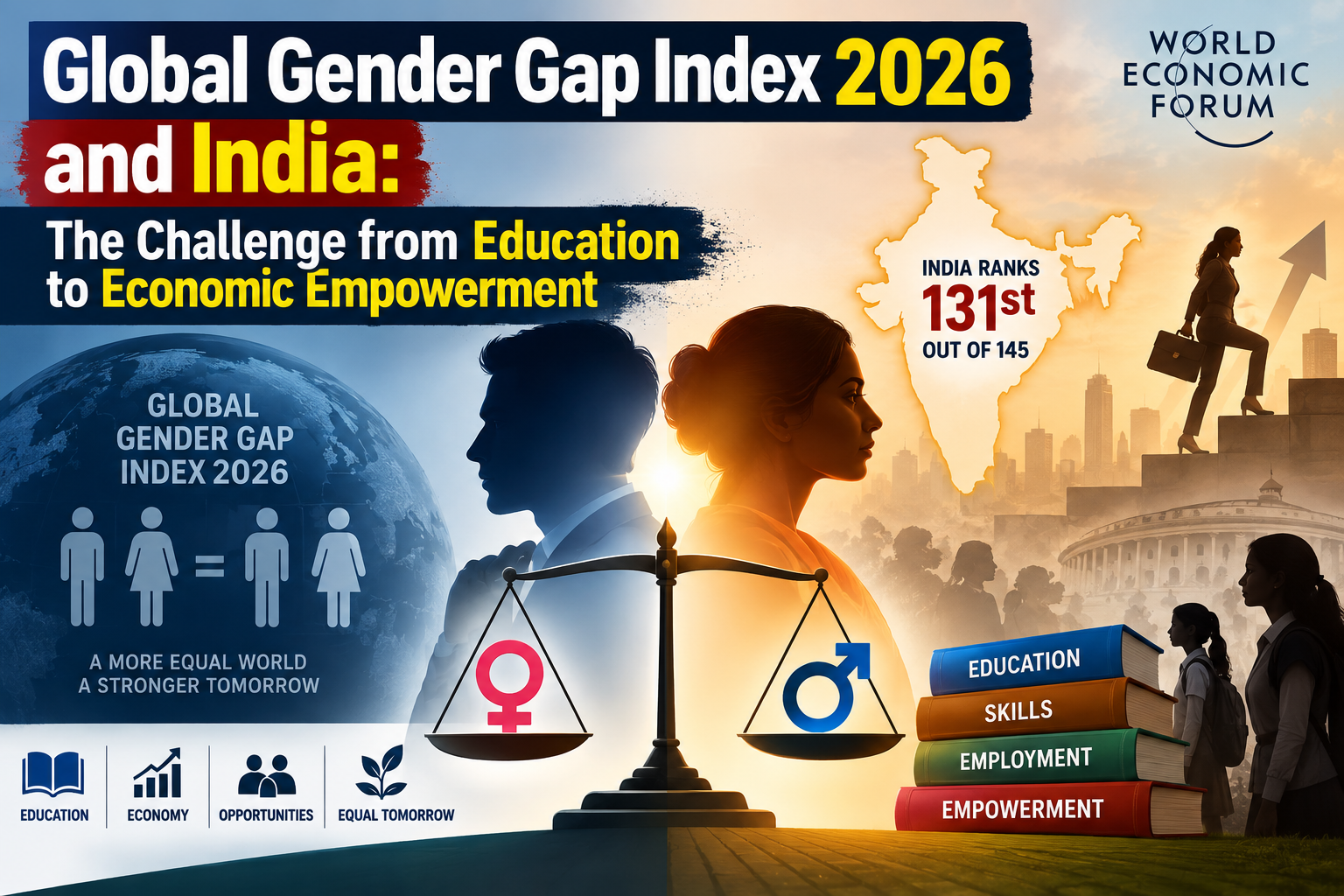
The World Economic Forum (WEF) released the Global Gender Gap Report 2026. India ranked 131st among 145 economies, while Iceland, Finland and Norway occupied the top three positions. Globally, 69.2% of the gender gap has been closed, but the World Economic Forum estimates that at the current pace, it may still take around 120 years to achieve complete gender parity..
View
Daily News Analysis for UPSC | Current Affairs for UPSC Preparation | Dhyeya IAS / 17 Sep 2026
BRICS Summit 2026: Explore the New Delhi Declaration, India’s role, Global South, counter-terrorism, trade, AI, climate change, health, agriculture and key challenges..
View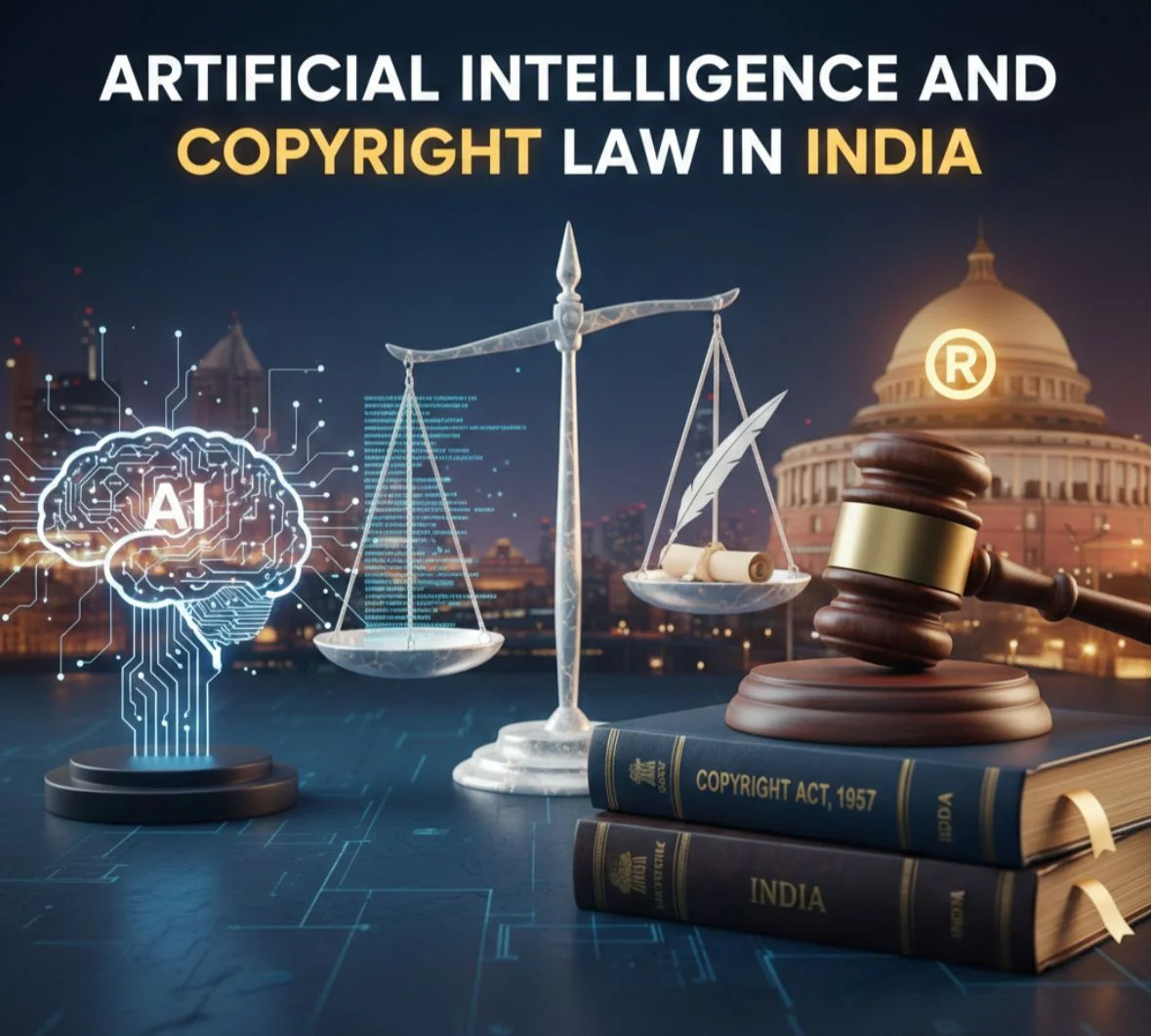
Daily News Analysis for UPSC | Current Affairs for UPSC Preparation | Dhyeya IAS / 15 Sep 2026
Recently, a case related to the copyright registration of an artwork created by Artificial Intelligence (AI) in India has raised the important question of whether an AI system can be considered the legal author of a work. This case highlights the need to clarify the relationship between AI, human creativity, and Intellectual Property Rights..
View
Daily News Analysis for UPSC | Current Affairs for UPSC Preparation | Dhyeya IAS / 29 Aug 2026
India deepens India Central Asia relations through security cooperation, connectivity, energy, critical minerals and strategic partnerships..
View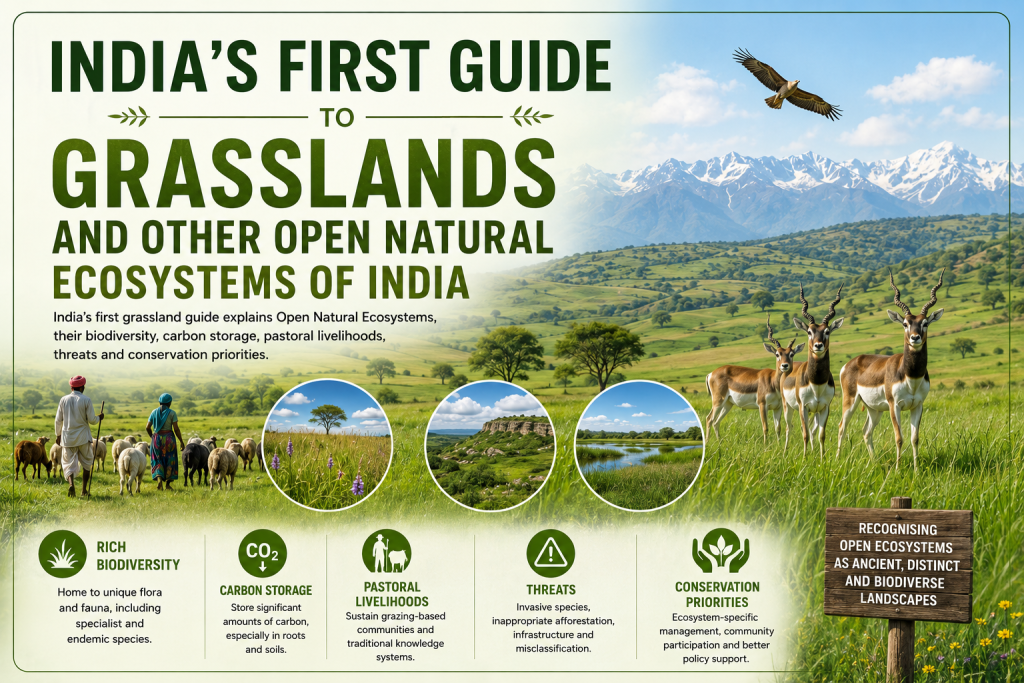
Daily News Analysis for UPSC | Current Affairs for UPSC Preparation | Dhyeya IAS / 26 Aug 2026
In August 2026, during the 17th Conference of the Parties (COP17) to the United Nations Convention to Combat Desertification (UNCCD), held in Ulaanbaatar, the capital of Mongolia, the Government of India released the country’s first comprehensive Guidelines on India’s Grasslands and Open Natural Ecosystems (ONEs). The document represents a paradigm shift in India’s environmental policy..
View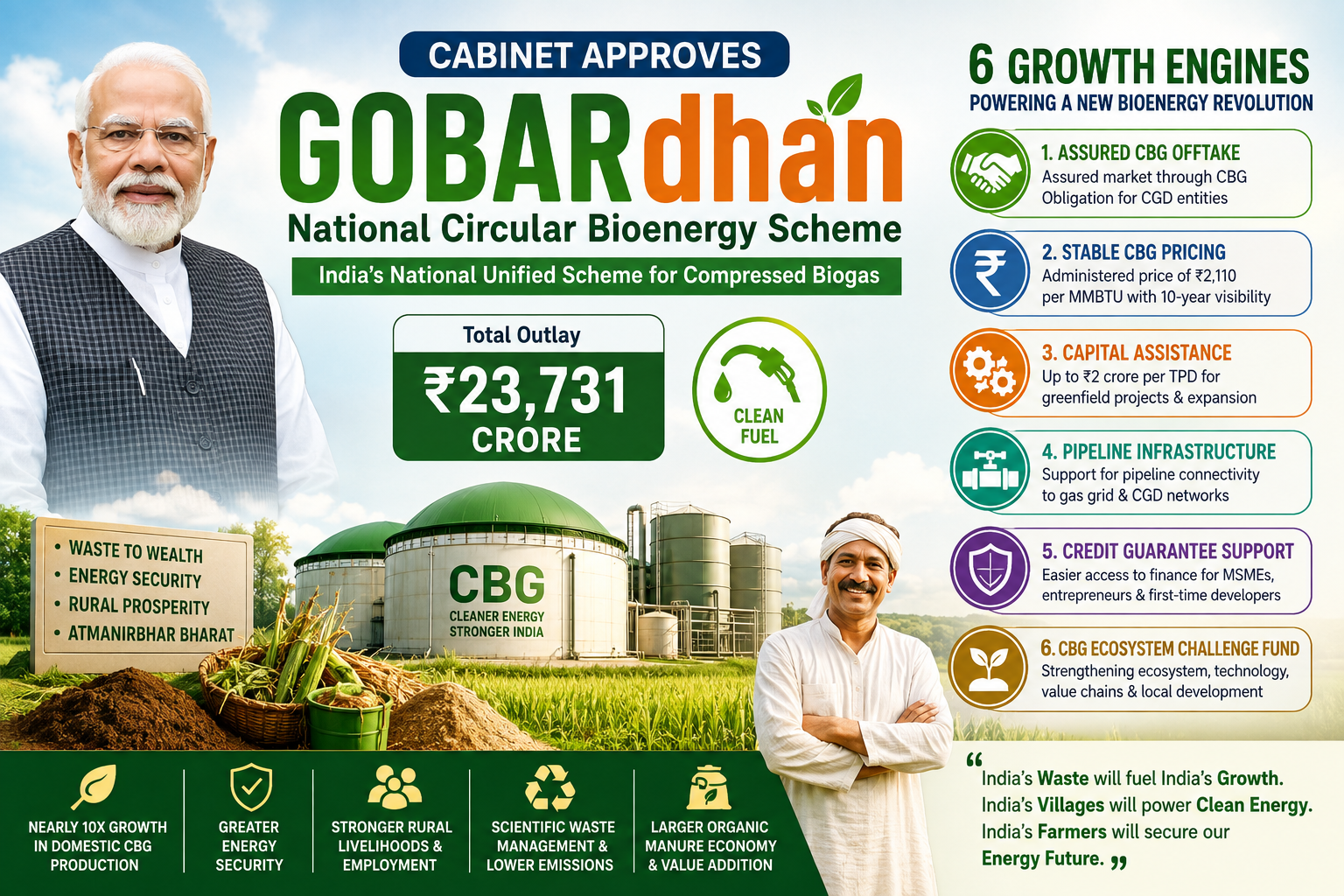
Daily News Analysis for UPSC | Current Affairs for UPSC Preparation | Dhyeya IAS / 18 Aug 2026
The Union Cabinet has approved GOBARdhan (Galvanising Organic Bio-Agro Resources Dhan) – the National Circular Bioenergy Scheme, with an outlay of ₹23,731 crore for ten years from FY 2026-27 to FY 2035-36..
View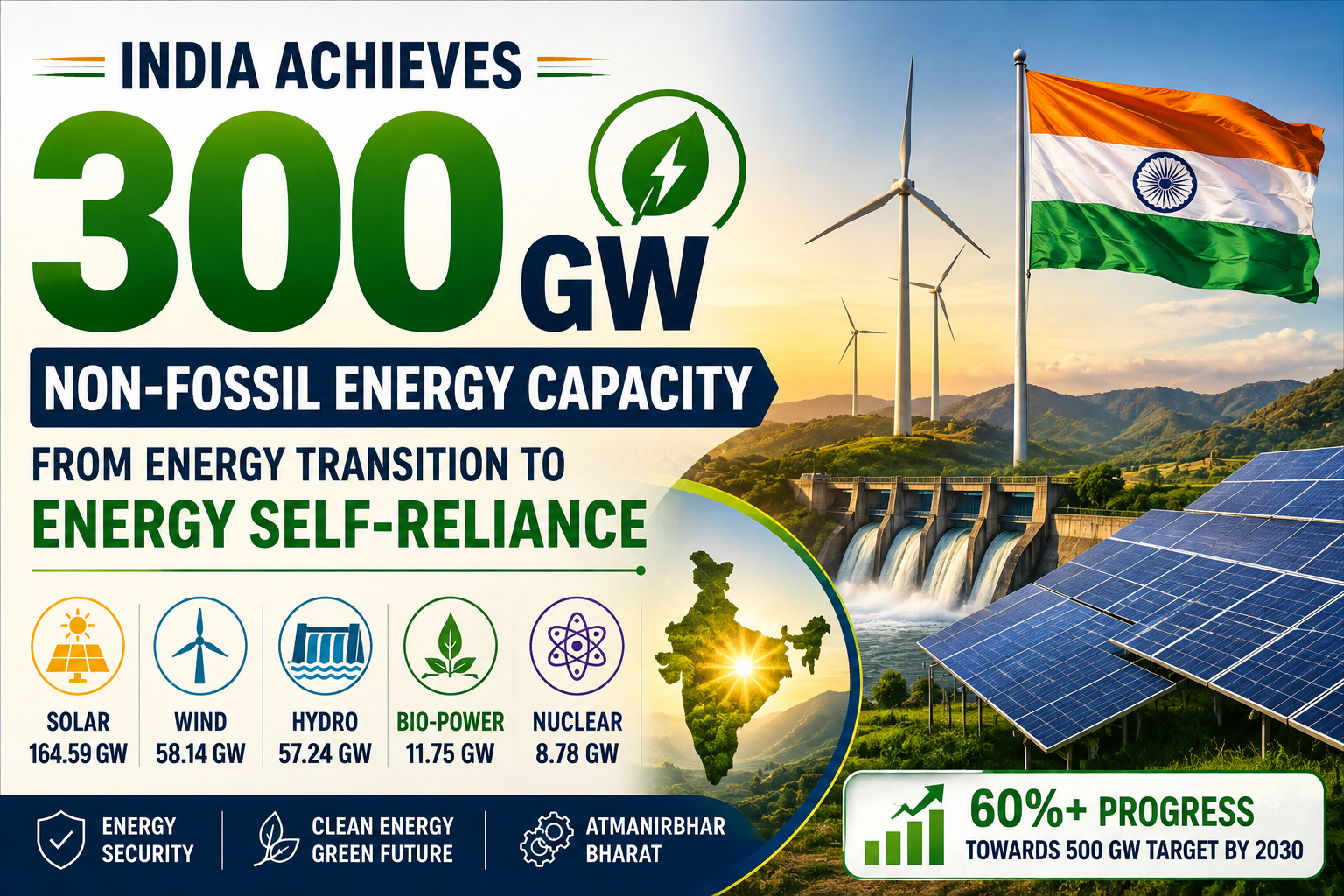
Daily News Analysis for UPSC | Current Affairs for UPSC Preparation | Dhyeya IAS / 13 Aug 2026
India has achieved a significant milestone by establishing 300.50 GW of non-fossil fuel-based power capacity. This includes 164.59 GW of solar power, 58.14 GW of wind power, 57.24 GW of hydropower, 11.75 GW of bio-power, and 8.78 GW of nuclear energy..
View
Daily News Analysis for UPSC | Current Affairs for UPSC Preparation | Dhyeya IAS / 12 Aug 2026
World Elephant Day is observed every year on 12 August. Its objective is to raise global awareness about elephant conservation, protection of their natural habitats, and the human-induced threats they face. The initiative for World Elephant Day was launched in 2012..
View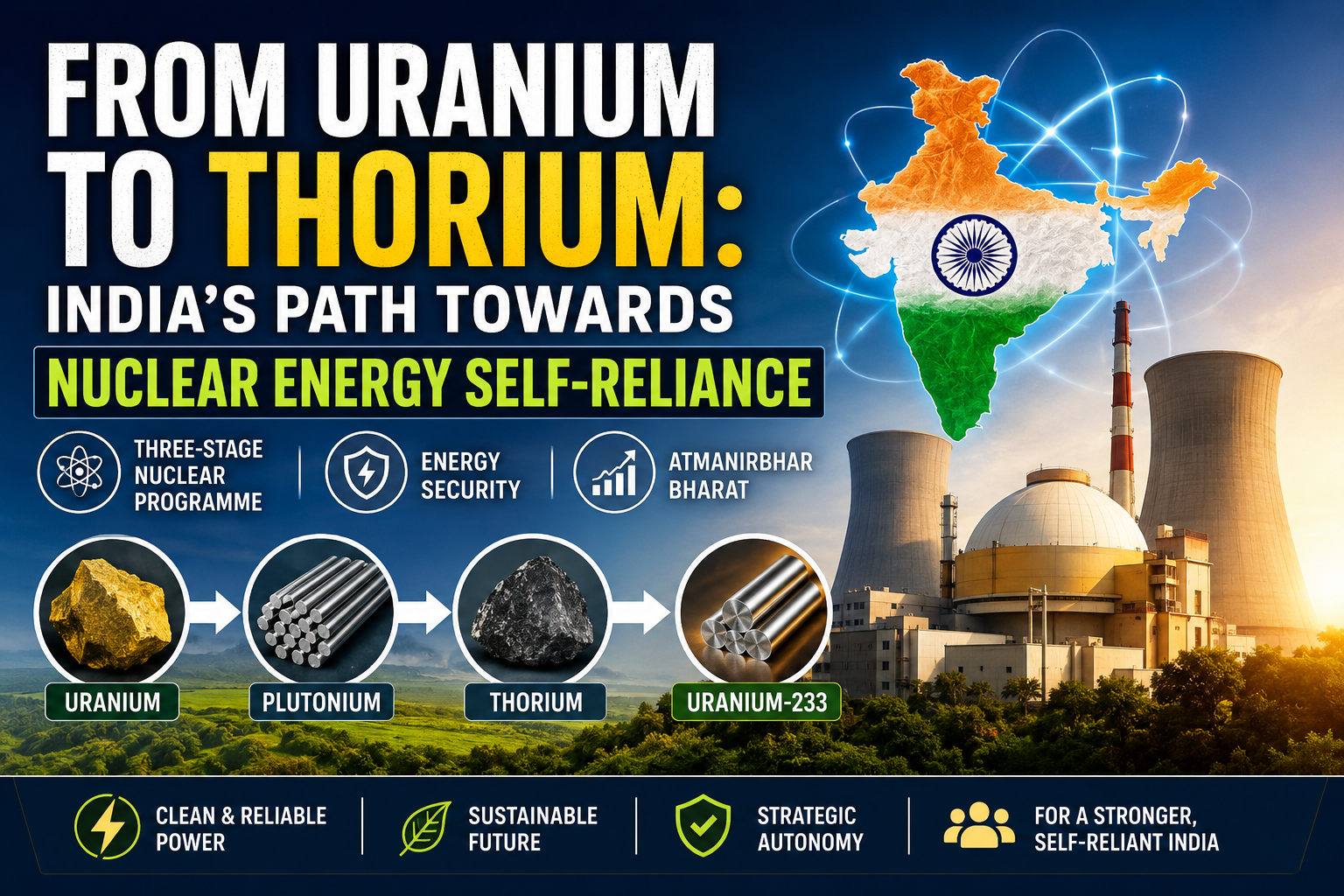
Daily News Analysis for UPSC | Current Affairs for UPSC Preparation | Dhyeya IAS / 11 Aug 2026
India Three-Stage Nuclear Programme: From Uranium to Thorium Prototype Fast Breeder Reactor PFBR India Advanced Heavy Water Reactor Three-stage nuclear power programme India nuclear energy 2047.
View
Daily News Analysis for UPSC | Current Affairs for UPSC Preparation | Dhyeya IAS / 20 Jun 2026
Supreme Court's recognition of homemakers as nation-builders and fixation of ₹30,000 notional income marks a major step toward gender justice..
View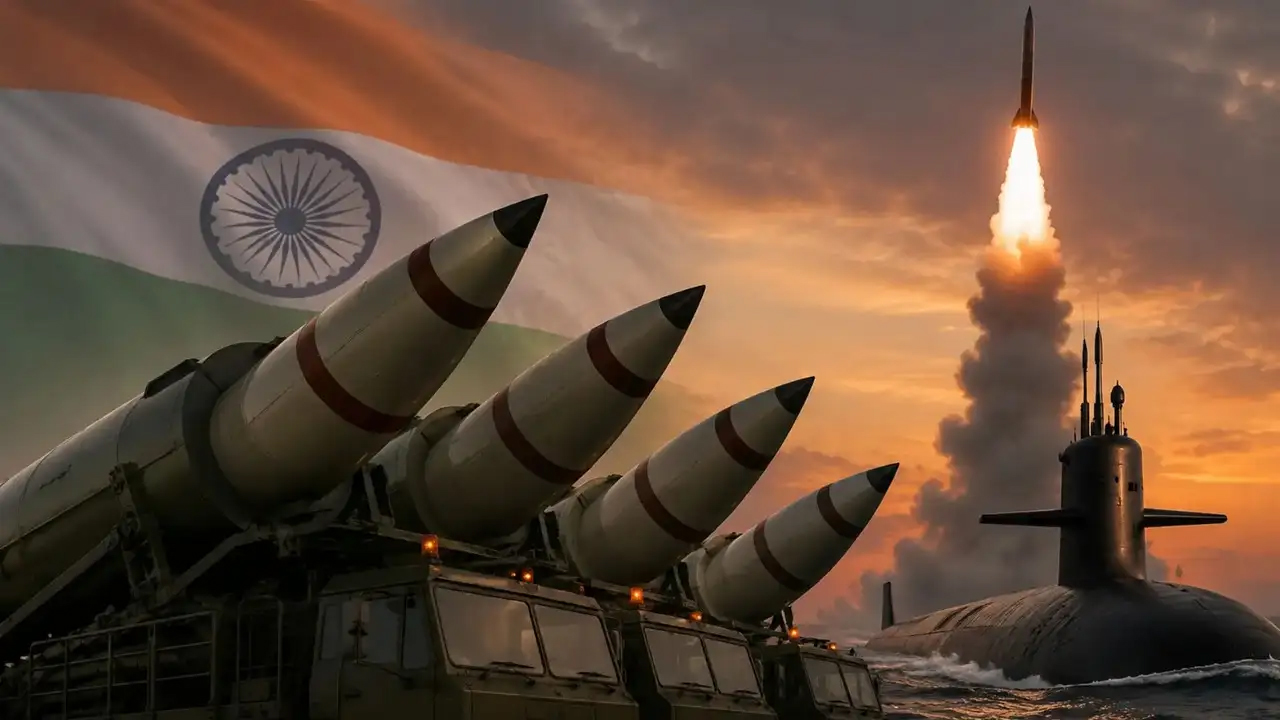
Daily News Analysis for UPSC | Current Affairs for UPSC Preparation | Dhyeya IAS / 18 Jun 2026
Recently, the renowned global arms and security research institution, the Stockholm International Peace Research Institute (SIPRI), published its annual Yearbook 2026. The report comes at a time when the world is witnessing unprecedented geopolitical tensions, the erosion of multilateral treaties, and the weakening of the Rules-based International Order..
View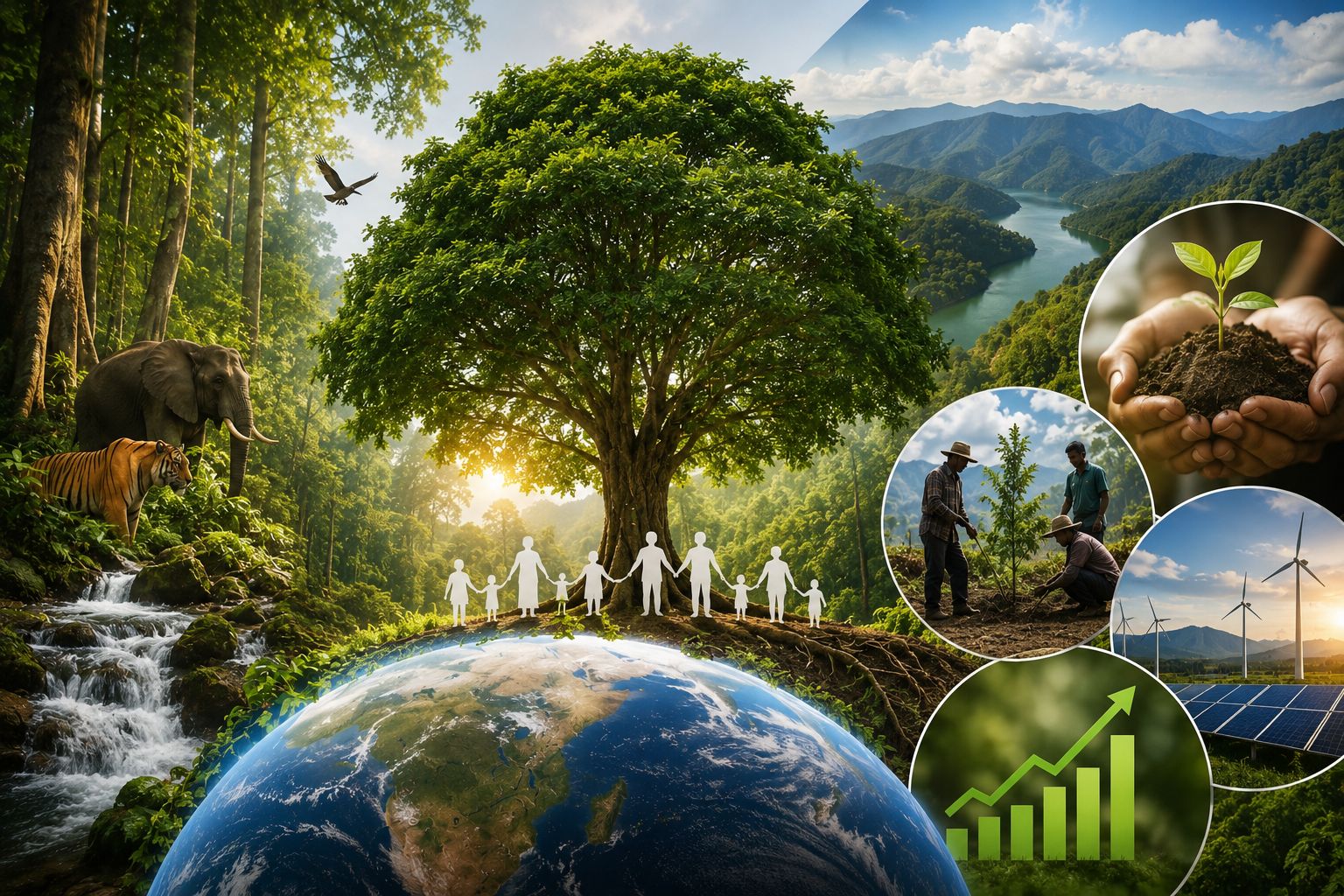
Daily News Analysis for UPSC | Current Affairs for UPSC Preparation | Dhyeya IAS / 02 Jun 2026
Global Forest Goals Report 2026 highlights rising forest loss, energy poverty and climate risks, emphasizing conservation and sustainable development..
View
Dhyeya Educational Services Pvt. Ltd.
Plot No. A-12,13, Flat No. 201, 2nd Floor, Ansal Building, Mukherjee Nagar, New Delhi, Delhi 110009
Dhyeya IAS © 2025 | All rights reserved | Developed & Maintained by NVYMedia / Sitemap.xml


